WordPress vs. Custom Web Design: Which Is Right for Your Business?
If you’re building or revamping your business website, you’ve probably wondered:
Should I go with WordPress or invest in custom web design?
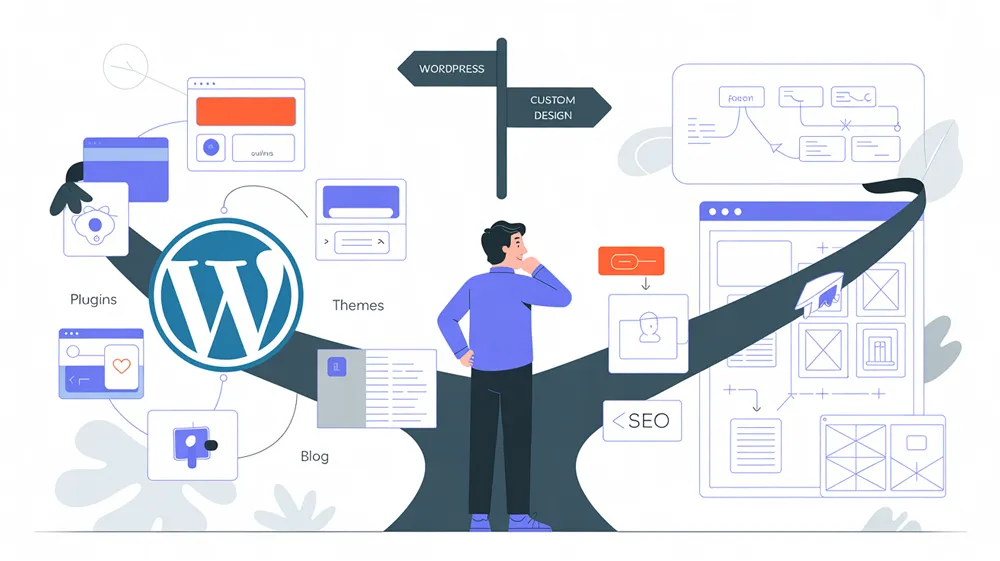
The right choice depends on your budget, business goals, and how much control you want over design and features. In this guide, we’ll break down the pros and cons of each approach to help you choose the best option for your business.
🔍 What Is WordPress?
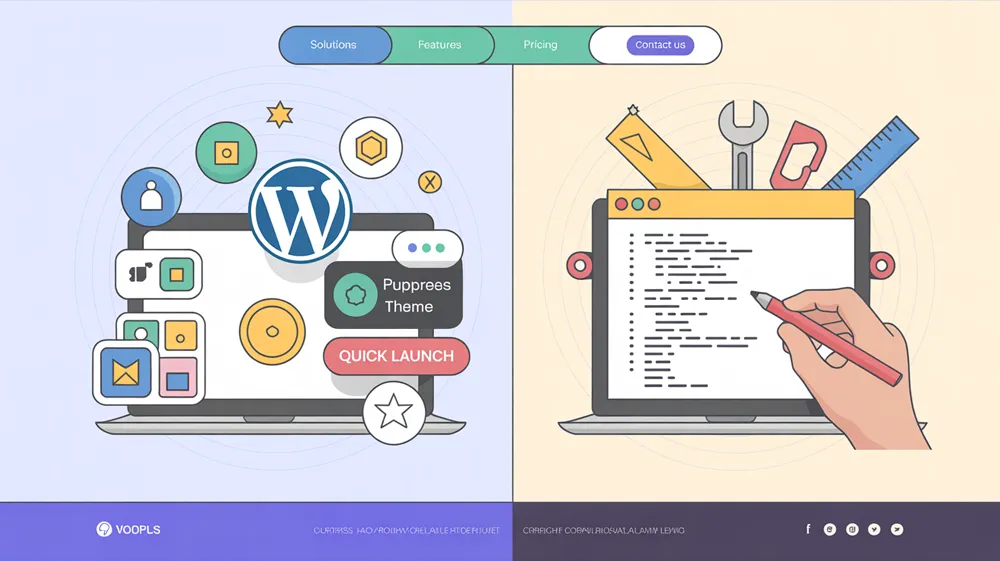
WordPress is an open-source content management system (CMS) used by over 40% of websites on the internet. It allows you to build a professional site using pre-made themes and plugins—no coding required.
Why Choose WordPress?
Free to use (open-source)
Easy to install and set up
Thousands of themes and plugins
SEO-friendly structure
Mobile responsive options
Built-in blogging capabilities
Ideal for small to medium-sized businesses
🛠️ What Is Custom Web Design?
Custom web design involves building a site from scratch, fully tailored to your brand’s identity, goals, and user needs. This process usually requires a web developer or a professional agency.
Why Choose Custom Web Design?
100% unique look and layout
Custom-built features and integrations
Complete control over performance and security
Scalable for future growth
Enhanced user experience
Stronger branding and market differentiation
⚖️ Key Differences: WordPress vs. Custom Web Design
💰 Cost
WordPress is generally more affordable. You can launch a site for as little as $1,500 with basic features.
Custom design is more expensive. Expect to pay anywhere from $5,000 to $50,000+, depending on complexity.
⚙️ Flexibility
WordPress relies on pre-built themes and plugins, which may limit design or function.
Custom design offers complete freedom—every aspect of the website is tailored to your needs.
🛠️ Maintenance
WordPress makes updates easy through a simple dashboard. No technical skills required.
Custom websites often require a developer for updates, changes, or bug fixes.
⏱️ Time to Launch
WordPress sites can go live in a few days to a few weeks.
Custom sites may take 1 to 3 months, depending on scope and development.
📈 Scalability
WordPress works well for small to mid-sized businesses.
Custom websites are better suited for growing or complex businesses that need advanced systems.
🎨 Design Control
WordPress themes offer decent design but may look generic unless customized.
Custom design gives you complete creative control and a truly unique brand presence.
🚀 Performance and SEO
WordPress can be fast and SEO-optimized using the right plugins (e.g., WP Rocket, Rank Math).
Custom websites are leaner and can be highly optimized for performance and search engine rankings from the ground up.
✅ When WordPress Is the Right Choice
Use WordPress if you:
Need a simple website up and running quickly
Have a limited budget
Want to manage content on your own
Plan to use standard features like blogs, contact forms, or image galleries
Prefer a DIY approach with less dependency on developers
Want a SEO-friendly and mobile-responsive site without coding
💡 Tip: Pair WordPress with a modern theme like Astra or Hello Elementor, and add essential plugins for speed, SEO, and security.
🚀 When Custom Web Design Is Worth It
Go custom if you:
Require complex features or third-party integrations
Want a unique design that reflects your brand identity
Are scaling a fast-growing business
Need advanced security, speed, or multilingual functionality
Plan to invest in a premium user experience
Want to stand out in a competitive industry
Custom websites are ideal for:
SaaS platforms
E-commerce stores with custom checkout processes
Large corporations or franchises
Non-profits with specialized workflows
🔐 Ongoing Maintenance
WordPress: Most updates are simple and can be handled in-house.
Custom websites: You may need ongoing support from a developer or agency, especially for technical issues or new features.
🎯 SEO and Performance
Both options can be SEO-optimized, but with key differences:
WordPress: Great with SEO plugins like Rank Math or Yoast. Speed depends on hosting and plugin usage.
Custom: Leaner code, faster load times, and more control over on-page SEO elements like schema markup and Core Web Vitals.
If search engine rankings are a top priority, a custom-built site gives you more Flexibility and control.
📊 Summary: Which Option Is Best for Your Business?