
Essential Web Design Trends Every Business Should Consider (2025 Edition)
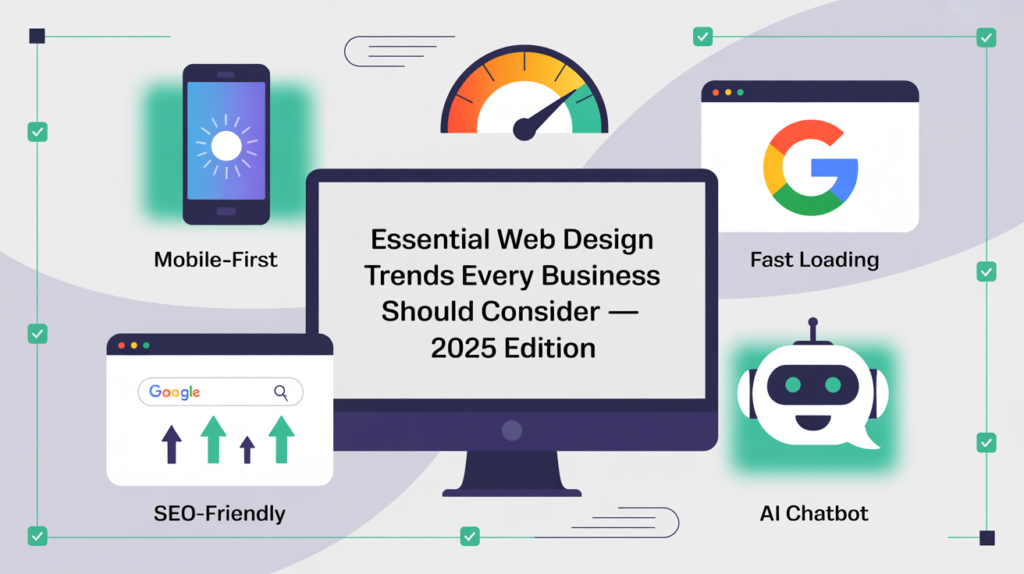
Stay Current. Stay Competitive. Win Online. Introduction: Why 2025 Is a Make-or-Break Year for Your Website Your website isn’t just a digital business card; it’s your best salesperson, your 24/7 storefront, and often the very first impression customers have of your brand. In 2025, consumer expectations are higher than ever, and competition online is fierce. If your website feels outdated, loads too slowly, or isn’t designed with modern user experience in mind, you’re not just losing clicks, you’re losing customers. The good news? By staying ahead of web design trends in Canada, you can create a site that not only attracts visitors but converts them into loyal customers. In this guide, we’ll explore the essential web design trends every business should consider in 2025, and how small business owners, local service providers, and entrepreneurs can leverage them to grow their online presence. 1. Minimalist, Conversion-Driven Design Cluttered websites are a thing of the past. Modern design is all about clarity, simplicity, and guiding users toward action. Why It Matters: A clean layout helps visitors focus on your offers. Easy navigation reduces bounce rates. Simplicity improves conversions by eliminating distractions. Actionable Tip for Canadian Businesses: If you run a local service (e.g., a plumbing company in Ottawa), highlight your key services and include a clear “Book a Free Consultation” button above the fold. Don’t bury your value under too much text or graphics. 👉 At Webby Guy Studio, we specialize in creating website redesign services that streamline your site and turn visitors into paying clients. 2. Mobile-First & Responsive Everything In Canada, more than 70% of website traffic now comes from mobile devices. If your website isn’t mobile-friendly, you’re already losing business. Why It Matters: Google ranks mobile-friendly sites higher in search results. Customers expect seamless browsing across all devices. A poor mobile experience can destroy trust instantly. Local Business Example: Imagine a restaurant in Ottawa. If a potential customer can’t read your menu or click your phone number easily from their smartphone, they’ll move on to your competitor. ✅ Webby Guy Studio builds responsive websites that look amazing and function flawlessly on any screen. 3. Fast-Loading Websites = Better Conversions Website speed is no longer optional; it’s critical. Research shows that if a page takes more than 3 seconds to load, 53% of users will leave. Key Benefits of a Fast Site: Higher Google rankings. Better user experience. Increased conversions. Actionable Tip: Compress your images, use a reliable hosting provider, and enable caching. Tools like Google PageSpeed Insights can help you track performance. 👉 Our team at Webby Guy Studio provides website redesign services focused on speed optimization—because every second counts. 4. Personalized, SEO-Friendly Content Content isn’t just about filling space; it’s about connecting with your audience and helping you rank on Google. 2025 SEO for Small Businesses: Write content tailored to local searches (e.g., “dentist in Ottawa” or “best contractor in Toronto”). Use clear calls to action to guide readers. Add trust-building elements like testimonials and case studies. Local Example: A landscaping business could add a blog on “Top 5 Landscaping Tips for Ottawa Winters” to attract local search traffic. ✅ At Webby Guy Studio, we combine SEO for small businesses with robust web design to boost both traffic and conversions. 5. AI-Powered Chatbots & Smart Integrations In 2025, AI isn’t just a buzzword; it’s a customer service tool. AI chatbots can answer questions instantly, qualify leads, and book appointments without human intervention. Why This Works: Customers get 24/7 support. Businesses save time and resources. Leads are captured even when you’re offline. Local Example: An Ottawa law firm could integrate a chatbot that answers basic questions and lets clients schedule consultations instantly. 👉 We help businesses integrate innovative tools into their websites so you never miss a lead again. 6. Strong Visual Branding & Storytelling Your brand identity should shine through your website. Customers don’t just buy products; they buy stories, trust, and experiences. Actionable Design Tips: Use consistent brand colors across web and print. Add authentic photos of your business instead of stock images. Tell your story in a way that resonates with your target audience. Example: If you’re a family-owned bakery, showcase your history and passion for baking—it creates emotional connection and loyalty. ✅ Our team ensures brand consistency across digital and print, giving your business a unified professional look. 7. Accessibility & Inclusive Design Accessibility is no longer optional—it’s essential. Designing for inclusivity not only avoids legal issues but also expands your reach. Best Practices: Use high-contrast text for readability. Add alt-text to all images. Ensure navigation works with screen readers. Local Example: A wellness clinic in Ottawa can reach a wider audience by making its booking system accessible to people with visual impairments. 👉 Webby Guy Studio builds websites that comply with accessibility standards, ensuring no customer is left behind. 8. Conversion-Focused Website Strategies It’s not enough to have a beautiful site; it must generate leads and sales. Top Website Conversion Strategies for 2025: Clear and visible CTAs. Lead magnets (free guides, eBooks, or checklists). Social proof (reviews, testimonials, case studies). Simple, user-friendly forms. Local Example: A fitness trainer in Ottawa could offer a free “7-Day Meal Plan” in exchange for email sign-ups, building a client list for future promotions. ✅ At Webby Guy Studio, we design websites that aren’t just visually stunning but also conversion-focused to drive results. Conclusion: Stay Ahead, Stay Winning Your website is more than a digital brochure, it’s the heart of your online presence. By adopting these essential web design trends of 2025, you’ll not only attract more visitors but also convert them into long-term customers. 👉 If your current site isn’t performing, it’s time for a website redesign. 👉 If you’re struggling to rank on Google, you need SEO for small businesses. 👉 If you want more leads and sales, you need conversion-focused website strategies. At Webby Guy Studio, we help small business owners, entrepreneurs, and local service providers in Canada build websites that work harder, load faster,
The Complete Guide to Local SEO for Small Businesses
If you’re a small business owner in Canada, you’ve probably asked yourself: “How do I get more local customers to find me online?” The answer is simple—Local SEO (Search Engine Optimization). It’s one of the most powerful tools for small businesses, yet many entrepreneurs still overlook it. In today’s digital-first world, showing up on Google Maps or in the top search results can be the difference between thriving and barely surviving. In this guide, we’ll break down everything you need to know about Local SEO for small businesses, what it is, why it matters, and exactly how you can implement it. By the end, you’ll have practical steps you can use to attract more customers, grow your revenue, and future-proof your online presence. What Is Local SEO (and Why It Matters for Small Businesses)? Local SEO is the process of optimizing your website and online presence so that your business appears when people search for products or services in your area. Think about it: when someone types “plumber near me” or “best bakery in Ottawa” into Google, they’re ready to make a decision. If your business isn’t showing up, you’re handing customers over to your competitors. Why Local SEO Is Essential: Higher visibility: Appear in Google’s “Local Pack” (the top 3 map listings). Increased traffic: Attract more visitors who are actively looking for what you offer. Better conversions: Local searchers are often ready to buy, making them more likely to convert. At Webby Guy Studio, we help Canadian businesses tap into this goldmine of opportunity through innovative, affordable website redesign services and SEO for small businesses. How Local SEO Works in Canada Google’s algorithm looks at three main factors when ranking local businesses: Relevance – Does your business match what the person is searching for? Proximity – Is your business close to the searcher’s location? Prominence – How trustworthy and well-known is your business online? The good news? You can influence all three with the right strategy. Step-by-Step Guide to Local SEO Success 1. Optimize Your Google Business Profile Your Google Business Profile (GBP) is the foundation of Local SEO. Claim and verify your profile. Add accurate business information (name, address, phone, hours). Upload professional photos of your business. Post regular updates and promotions. 💡 Example: A dentist in Ottawa who updates their GBP with holiday hours and patient photos (with permission) is more likely to rank higher in local searches. 2. Get Reviews (and Respond to Them) Customer reviews are digital word-of-mouth. Ask satisfied customers to leave a Google review. Respond to every review—positive or negative. Showcase reviews on your website and social media. 👉 Pro Tip: Encourage clients to use keywords in their reviews, like “best web design in Canada” or “amazing website conversion strategies.” 3. Localize Your Website Content Your website should reflect your local focus. Add your city and region to page titles, headers, and meta descriptions. Create service pages for the different areas you serve. Publish blog posts about local events, news, or tips. 💡 Example: A landscaping company in Toronto could write a blog titled “Top 5 Backyard Design Trends in Toronto (2025 Update).” 4. Ensure Mobile-Friendly, Fast-Loading Pages Local customers search on the go. If your site loads slowly, they’ll bounce. Invest in website redesign services if your site feels outdated. Use responsive design to look great on phones and tablets. Optimize images and clean up your code for speed. 👉 At Webby Guy Studio, we specialize in creating fast, mobile-first websites that turn visitors into customers. 5. Build Local Citations A citation is any online mention of your business (name, address, phone). Submit your business to directories like Yelp, Yellow Pages, and local chambers of commerce. Ensure consistency across all listings—mismatched phone numbers hurt your rankings. 6. Create Location-Specific Landing Pages If you serve multiple cities, create a landing page for each one. Include unique content about services in that area. Add testimonials from local customers. Highlight local partnerships or case studies. 💡 Example: A law firm could have separate pages for “Family Lawyer in Ottawa” and “Family Lawyer in Toronto.” 7. Use Website Conversion Strategies Getting traffic is great—but converting it into leads is better. Add clear calls-to-action (book a consultation, request a quote). Use forms that are simple and mobile-friendly. Offer lead magnets like free guides or checklists. 👉 Webby Guy Studio helps small businesses turn their websites into lead-generating machines with strategic conversion-focused design. Practical Tips for Canadian Small Businesses Here are a few local business website tips tailored for Canadian entrepreneurs: Mention Canadian holidays or local events in your content. Use Canadian spelling (optimise → optimize) consistently. Highlight your local credibility (e.g., “Serving Ottawa since 2016”). Embed a Google Map on your contact page. Why Choose Webby Guy Studio for Local SEO? At Webby Guy Studio, we don’t just design websites—we build growth engines. We’ve helped small businesses, service providers, and entrepreneurs across Canada boost their visibility with: SEO-optimized websites Smart website redesign services Local business website tips tailored for Canadian markets Website conversion strategies that bring real results We understand the challenges of local businesses because we’re one, too. That’s why our approach is practical, affordable, and results-driven. Ready to Get Found Online? If you’re serious about growing your business in your local market, you can’t afford to ignore Local SEO. Your competitors are already optimizing—don’t let them take your customers. 👉 Book a free consultation with Webby Guy Studio today. 👉 Request a quote for SEO or website redesign services. 👉 Download our free guide: “5 Quick Wins to Boost Local SEO in 2025.” Conclusion: Take Action Now Local SEO is no longer optional—it’s essential. By optimizing your Google Business Profile, collecting reviews, creating localized content, and investing in a fast, mobile-friendly site, you can dominate your local market. Your customers are searching for businesses like yours right now. The only question is: will they find you or your competitor? At Webby Guy Studio, we’re here to make sure it’s YOU. Contact Us Today
How Website Speed Impacts User Experience and Conversions
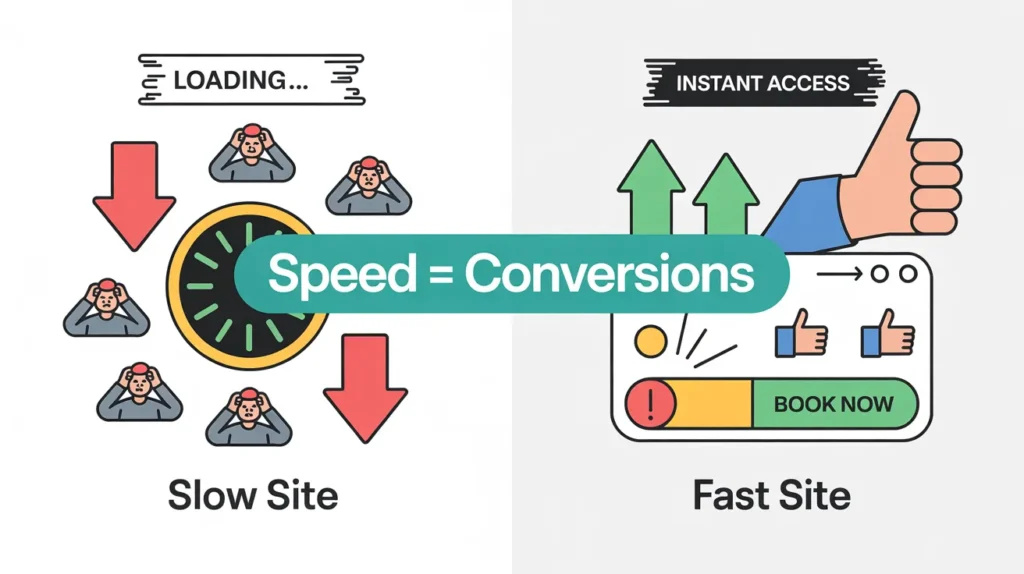
Your website might look amazing, but here’s the truth: if it loads slowly, most people won’t stick around long enough to see it. In today’s fast-paced digital world, speed isn’t just a “nice-to-have”; it’s the backbone of user experience and a critical factor in driving conversions. If you’re a small business owner, service provider, or entrepreneur in Canada, understanding how website speed affects your customers could be the difference between someone booking your service or clicking away to a competitor. At Webby Guy Studio, we help Canadian businesses build fast, conversion-focused websites that attract customers and grow revenue. Let’s break down why speed matters and what you can do to optimize it. Why Website Speed Matters More Than Ever Think about your habits. When was the last time you waited more than five seconds for a website to load? Probably never. Studies show: 47% of users expect a page to load in two seconds or less. 40% will abandon a site that takes more than three seconds. Even a one-second delay can reduce conversions by up to 7%. For small businesses in Canada, that means every second your website lags could be costing you leads, bookings, and sales. A slow website isn’t just frustrating for users; it also hurts your visibility on Google. Search engines prioritize speed because they know it leads to better user experiences. That’s why improving your site speed is both an SEO strategy and a conversion strategy. The Link Between Website Speed and User Experience A fast website creates trust and credibility. Here’s how speed influences user experience: 1. First Impressions Matter Your website is often the first interaction a customer has with your business. If it loads instantly, you appear professional and reliable. If it lags, you risk looking outdated or careless. 2. Ease of Navigation Fast-loading pages encourage visitors to explore more. Slow-loading sites frustrate users, causing them to click away before they can even see your services or offers. 3. Mobile Experience With over half of searches in Canada happening on mobile devices, speed on smartphones is crucial. Mobile users are even less patient than desktop users; if your site drags, they’re gone. How Website Speed Impacts Conversions Speed doesn’t just make people happy; it directly affects your bottom line. Higher Conversions: Faster websites keep users engaged, making them more likely to fill out forms, book services, or make purchases. Reduced Bounce Rates: The quicker your site loads, the fewer people hit the back button. Better SEO Rankings: Google rewards speedy websites, which means more visibility for your business in local searches. For small businesses, these differences can be game-changing. Imagine if your Ottawa-based plumbing business lost even 10% of leads each month due to slow loading; over time, that’s thousands of dollars gone. Practical Tips to Improve Website Speed Here are actionable steps Canadian businesses can take to optimize site speed: 1. Optimize Images Large, uncompressed images are one of the biggest culprits. Use tools like TinyPNG or built-in WordPress plugins to reduce file sizes without losing quality. 2. Choose the Right Hosting Cheap hosting may save you money upfront, but it can slow down your site. A reliable, Canadian-friendly host ensures faster load times and better security. 3. Use a Content Delivery Network (CDN) A CDN delivers your website from servers closer to your visitors. If your Ottawa business attracts clients nationwide, a CDN makes your site faster across Canada. 4. Reduce Plugins and Scripts Too many unnecessary plugins slow down WordPress websites. Stick to essential tools and update regularly. 5. Enable Caching Caching stores parts of your site so they load faster on repeat visits. Tools like WP Rocket or W3 Total Cache can help. 6. Regular Website Audits Run speed tests using Google PageSpeed Insights or GTMetrix. Catching problems early prevents lost sales. When to Consider Website Redesign Services Sometimes, speed issues go deeper than plugins or hosting. If your site was built years ago, it may not meet modern standards for SEO and conversions. That’s where website redesign services come in. A redesign ensures: Mobile-first, responsive design Streamlined code for faster performance Optimized structure for SEO for small businesses Better visuals without sacrificing speed At Webby Guy Studio, we specialize in web design in Canada that’s built to convert. From Ottawa to Toronto, we’ve helped local service providers and entrepreneurs create sites that are both beautiful and blazing fast. Real-World Example: Speed in Action Imagine this: A local Ottawa fitness studio has a website that takes five seconds to load. Potential clients searching for “personal trainer near me” click the site, but by the time it loads, they’ve already gone back to Google and clicked a competitor. After a redesign and optimization, the site now loads in under two seconds. Bounce rates drop, bookings double, and the studio climbs to the first page of local search results. That’s the power of speed. Why Choose Webby Guy Studio When you partner with Webby Guy Studio, you’re not just getting a website; you’re getting a high-performance digital tool designed to grow your business. We offer: Website redesign services tailored to Canadian businesses SEO for small businesses to improve visibility Conversion-focused strategies to turn visitors into customers Ongoing support so your website never falls behind Whether you need a brand-new site or a speed-boosting upgrade, we’ve got you covered. Call to Action Don’t let a slow website hold your business back. Every second counts when it comes to attracting and converting customers. 👉 Book a free consultation with Webby Guy Studio today and discover how a fast, optimized website can transform your business. 👉 Ready for a quote? [Request one here] and we’ll show you precisely what it takes to speed up your site. 👉 Want more tips? Download our free guide on Website Conversion Strategies for Small Businesses. Conclusion: Speed = Growth In the digital world, speed is trust. A fast website doesn’t just improve user experience; it directly boosts conversions, SEO rankings, and revenue. If you’re serious about
Must-Have WordPress Plugins for Performance and SEO (2025 Guide)
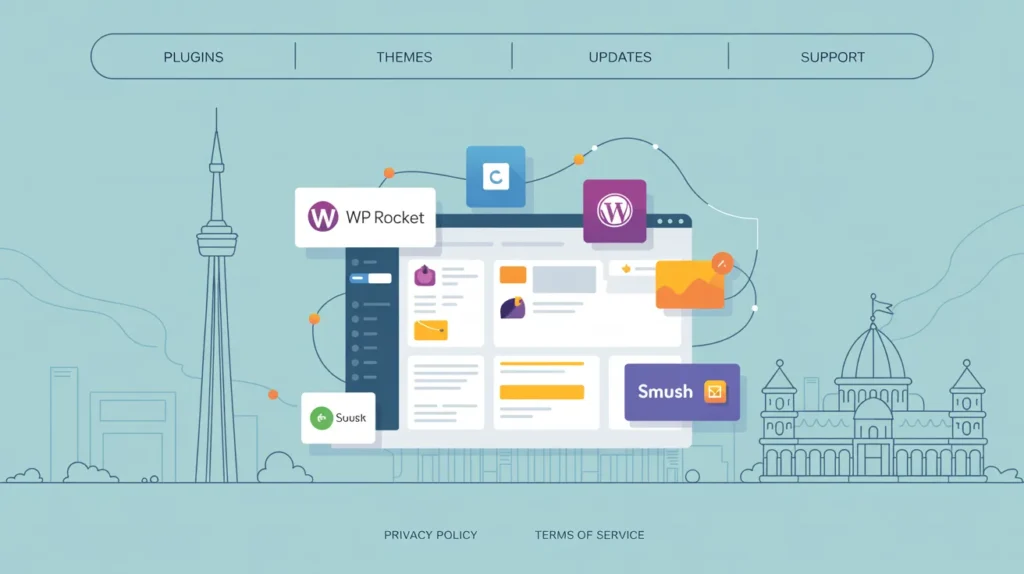
Boost Your Website’s Speed, Visibility & Success—One Plugin at a Time Your website isn’t just an online brochure; it’s your digital storefront, your 24/7 salesperson, and often the first impression a customer has of your business. But here’s the truth: even the most beautifully designed website can fail if it’s slow, invisible on Google, or challenging to navigate. That’s where WordPress plugins come in. The correct set of tools can supercharge your site’s performance, improve SEO rankings, and turn casual visitors into paying customers. Suppose you’re a small business owner, service provider, or entrepreneur in Canada. In that case, this 2025 guide will walk you through the must-have WordPress plugins for performance and SEO, plus actionable tips to grow your online presence. Why WordPress Plugins Matter for Small Businesses Before diving into the list, let’s get clear on why plugins are so essential. Boost Website Speed: A fast-loading site means fewer visitors hitting the back button. Improve Google Rankings: SEO-focused plugins help you appear higher in search results. Enhance User Experience: Optimized websites keep visitors engaged longer. Drive Conversions: Smart tools turn clicks into consultations, calls, and sales. For small businesses in Ottawa and across Canada, every second counts—literally. A delay of just two seconds in loading time can reduce conversions by up to 7%. The Top WordPress Plugins for Performance and SEO in 2025 1. Yoast SEO or Rank Math – Your SEO Co-Pilot If you want to rank higher on Google, an SEO plugin is non-negotiable. Yoast SEO: Great for beginners with its simple interface. Rank Math: More advanced features like schema markup and keyword tracking. Both help you: Optimize title tags and meta descriptions. Target focus keywords (like SEO for small businesses). Improve readability with built-in suggestions. 👉 Canadian Example: If you own a plumbing company in Ottawa, Yoast or Rank Math ensures your site appears when locals search “plumber near me”. 2. WP Rocket – Speed Made Simple Speed = SEO + Conversions. WP Rocket is one of the best caching plugins on the market. Benefits include: Faster load times (Google loves this). Image lazy loading for smoother browsing. Simple setup—no developer required. 👉 Example: A bakery website in Toronto saw a 40% traffic boost after speeding up its site with WP Rocket. 3. Smush or Imagify – Image Optimization Made Easy Large, unoptimized images are the #1 cause of slow websites. Smush automatically compresses images without losing quality. Imagify offers bulk optimization and next-gen formats (like WebP). 👉 Pro Tip: Use Smush with WP Rocket for a double-speed advantage. 4. All-in-One SEO (AIOSEO) – A Powerful SEO Alternative While Yoast and Rank Math dominate, AIOSEO is perfect if you want an all-encompassing solution. Features: Smart XML sitemaps for better indexing. Local SEO module (perfect for Canadian businesses). WooCommerce SEO for eCommerce entrepreneurs. 5. MonsterInsights – Track What Matters You can’t improve what you don’t measure. MonsterInsights connects your WordPress site with Google Analytics. See where your traffic comes from. Track conversions (like calls, form submissions, and bookings). Identify your best-performing content. 👉 Example: A fitness coach in Vancouver used MonsterInsights to find out that most clients came from blog posts—so she doubled down on content marketing. 6. Broken Link Checker – Keep Your Site Healthy Nothing turns visitors away faster than broken links. This plugin scans your site for dead links and missing images. Benefits: Fix errors before customers notice. Prevents Google from penalizing your rankings. 7. Elementor (with SEO-friendly templates) – Design Meets Conversion While not purely an SEO plugin, Elementor helps you design high-converting pages that load fast and rank well. Drag-and-drop builder for easy customization. Mobile-friendly templates (crucial for local search). Works seamlessly with caching and SEO plugins. 8. UpdraftPlus – Backup Your Hard Work Performance and SEO don’t matter if you lose your site. UpdraftPlus keeps your website safe with automatic backups to Google Drive, Dropbox, or OneDrive. 👉 Pro Tip: Schedule backups weekly if you run a blog or an e-commerce store. How These Plugins Work Together for Maximum Impact Think of your website like a car. Yoast/Rank Math = The GPS (SEO direction). WP Rocket + Smush = The engine (speed). MonsterInsights = The dashboard (analytics). UpdraftPlus = The insurance policy (backups). When combined, these tools ensure your site runs smoothly, ranks high, and attracts customers. Actionable Tips for Canadian Small Businesses Focus on Local SEO: Use plugins that support local keywords like “Ottawa web design services” or “Toronto roofing company.” Prioritize Mobile Performance: Over 70% of searches happen on mobile. Plugins like WP Rocket and Smush keep your site fast on phones. Regularly Monitor Analytics: Plugins like MonsterInsights help you adjust strategies based on real data. Don’t Overload Plugins: Choose quality over quantity—too many can slow down your site. Why Work with Webby Guy Studio? Installing plugins is just one piece of the puzzle. At Webby Guy Studio, we don’t just design websites—we build high-performing, SEO-optimized platforms tailored to Canadian businesses. We specialize in: Web design in Canada that combines beauty and functionality. Website redesign services for outdated or underperforming sites. SEO for small businesses to help you dominate local search. Website conversion strategies to turn clicks into consultations. Our goal? To help you attract more customers, grow your brand, and thrive online. Ready to Supercharge Your WordPress Website? If your site is slow, invisible on Google, or failing to convert, it’s time to take action. ✅ Book a Free Consultation with Webby Guy Studio today. ✅ Request a Quote for a customized website redesign. ✅ Download Our Free Guide on Top Website Conversion Strategies for 2025. Don’t let your competitors outrank you. With the right plugins—and the right partner—you can turn your website into a growth machine. Conclusion: Take Control of Your Online Success Your WordPress site can be your strongest business asset—but only if it’s optimized for performance and SEO. By using plugins like Yoast SEO, WP Rocket, Smush, and MonsterInsights, you can dramatically improve speed, visibility, and conversions. The next step is yours.
How to Maintain Brand Consistency Across Print and Digital Media
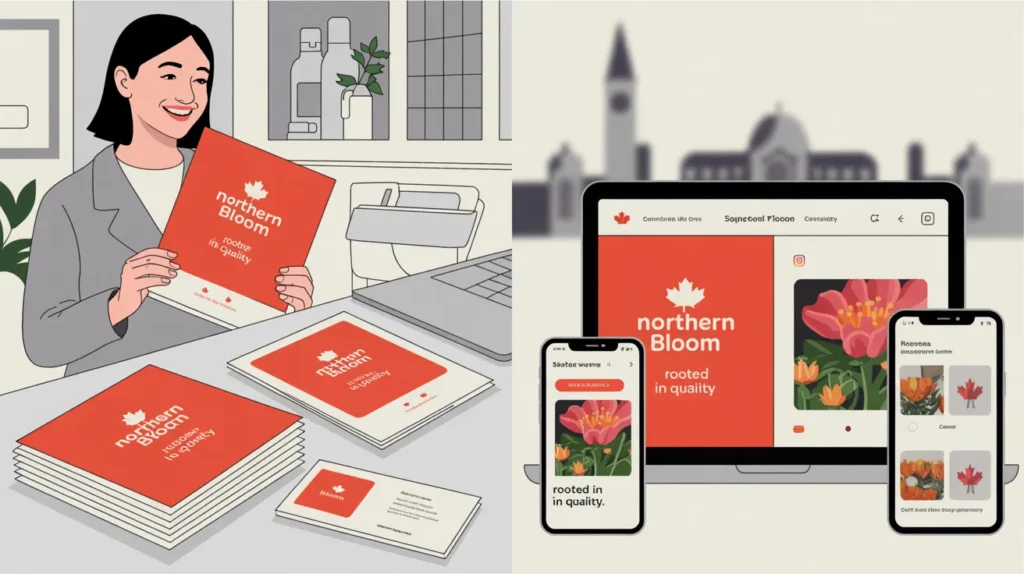
If your brand looks different on your business cards than it does on your website, you’re sending mixed signals to your customers, and mixed signals can cost you sales. In today’s competitive market, small businesses, local service providers, and entrepreneurs in Canada can’t afford to confuse their audience. Whether you’re printing flyers for a local event or launching a new website, your brand’s look, feel, and voice should be instantly recognizable everywhere. At Webby Guy Studio, we’ve seen firsthand how brand inconsistency can weaken trust and hurt conversions. But when your print and digital materials work together, you build credibility, strengthen your message, and attract more loyal customers. Here’s how to make that happen. Why Brand Consistency Matters for Canadian Businesses Brand consistency means making sure every touchpoint, online or offline, looks, feels, and sounds like you. Think about big Canadian brands like Tim Hortons or Canadian Tire. Their colors, fonts, tone, and messaging are consistent across TV ads, Instagram posts, in-store signage, and websites. That consistency builds trust and familiarity, making them memorable. For small businesses, consistency can: Increase brand recognition by up to 80% (Forbes) Improve customer trust and loyalty Boost conversions by presenting a professional, unified image Make marketing campaigns more effective by reinforcing the same message across channels If you want your website, brochures, business cards, and social media profiles to all work toward the same goal, winning more customers, you need a clear strategy. Step 1: Define Your Brand Identity First Before you start designing or redesigning your website, or before you send your logo to a printer, you need to know exactly what your brand stands for. Your brand identity includes: Logo: The cornerstone of your visual branding Color Palette: Choose 3–5 colors that align with your brand personality Typography: Select fonts that are easy to read and match your tone Voice & Tone: Are you professional and formal? Friendly and conversational? Bold and witty? Example: If you’re a landscaping company in Ottawa, you might choose earthy greens, a clean sans-serif font, and a friendly, helpful tone in all your copy. This same style should appear on your website, business cards, truck decals, and Instagram posts. 💡 Pro Tip: At Webby Guy Studio, our website redesign services always start with a brand audit to make sure your digital presence matches your offline identity. Step 2: Use the Same Visual Assets Everywhere Repetition isn’t monotonous; it’s branding. Whether you’re working on a printed brochure or updating your homepage, use the same: Logo version and placement Colors and shades (match exact HEX or CMYK codes) Fonts (and sizes for headings, subheadings, and body text) Photography style (e.g., bright and clean, moody and artistic) Why it matters: If your Facebook ad uses a bright orange background and your flyer uses pale yellow, customers might not realize they’re from the same business. That’s a missed connection, and possibly a missed sale. Step 3: Align Your Messaging Across Platforms Consistency isn’t just visual, it’s also about what you say and how you say it. Ask yourself: Does your website tagline match the one on your business cards? Are your social media captions written in the same tone as your email marketing? Do your Google My Business posts reflect the same offers you promote offline? Example: If you’re offering “Free Winter Tire Storage” on printed flyers for your Toronto auto shop, make sure that offer is also: Highlighted on your homepage Included in your social media posts Featured in your Google Ads campaigns At Webby Guy Studio, we help small businesses create effective SEO strategies that ensure their online and offline promotions are in sync. Step 4: Create a Brand Style Guide A brand style guide is your playbook for maintaining consistency. It should cover: Logo usage rules (including what not to do) Official brand colors and codes (HEX, RGB, CMYK) Approved fonts for print and web Tone of voice guidelines with examples Photography and imagery rules By documenting your standards, you make it easier for everyone, designers, printers, and social media managers, to keep your brand aligned. Pro Tip: If you don’t have a style guide yet, Webby Guy Studio can create one for you as part of our local business website tips package. Step 5: Ensure Web and Print Quality Match One common mistake is focusing too much on either print or digital, but not both. For print: Use high-resolution images (300 DPI) and vector logos to avoid pixelation. For web: Optimize images for fast loading without losing clarity, and ensure colors display correctly on screens. For both: Keep typography legible and branding elements consistent Nothing kills credibility faster than a pixelated logo on your website or blurry text on a flyer. Step 6: Integrate Print and Digital Campaigns Brand consistency works best when your print and digital materials complement each other. Here’s how: Add your website URL and QR code to all printed materials Feature photos of your printed products (like banners or flyers) on social media Use the same promotional graphics in both print ads and Facebook campaigns Example: A Vancouver café runs a “Buy One, Get One Free Latte” promotion. They: Print the offer on table tents in-store Share the same graphic on Instagram Stories Feature it on their homepage banner The result? Customers recognize the offer instantly, no matter where they see it. Step 7: Work with One Design & Development Partner Juggling multiple freelancers for your logo, website, flyers, and ads often leads to inconsistency. By working with a single partner like Webby Guy Studio, you ensure that: Your web design in Canada matches your print marketing Your online and offline branding follow the same style guide Your messaging is consistent across platforms You have one point of contact for updates and campaigns Our website conversion strategies don’t just focus on making your site look good; they ensure your entire brand communicates clearly and effectively, both online and offline. Maintaining Brand Consistency is an Ongoing Process Your business will evolve, with new
7 Clear Signs Your Website Needs a Redesign (2025 Update)
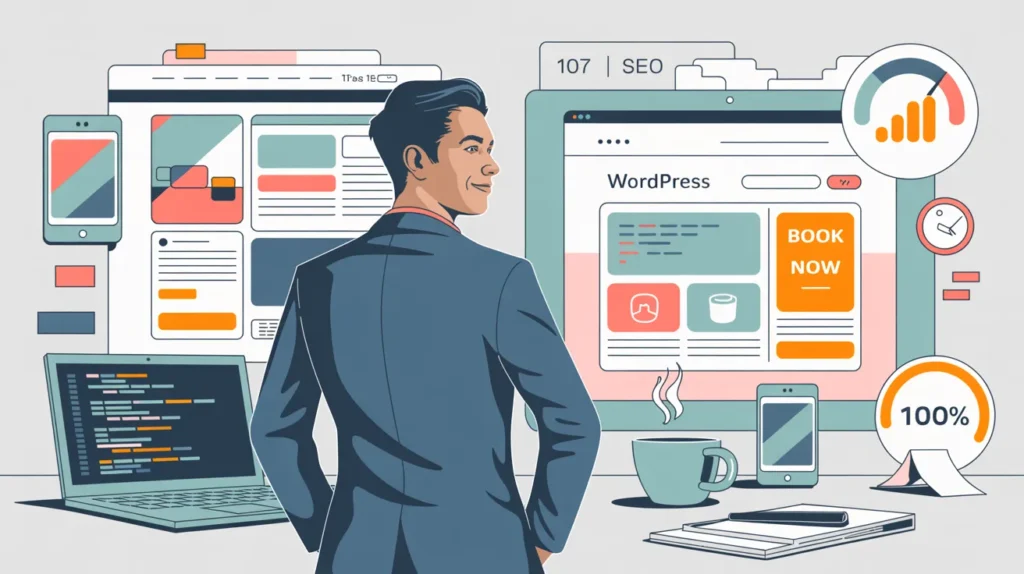
WordPress Redesign Services in Ottawa That Boost Conversions & SEO Your website isn’t just an online brochure—it’s your digital storefront, lead generator, and 24/7 salesperson. In 2025, customers make snap decisions in under 3 seconds. The right design can win you a client; the wrong one can send them to a competitor. If you’re a small business owner in Ottawa, here’s how to know when it’s time for a SEO-friendly website redesign that works on all devices, loads fast, and ranks high on Google. 1. Your Website Looks Old or Outdated If your website still looks like it belongs in the early 2010s, you’re losing credibility. In a market as competitive as Ottawa, customers expect a modern website design that reflects your professionalism. Signs of an outdated site: Cluttered layout and too much text Low-quality or irrelevant images Fonts that are hard to read No reflection of your current branding A professional website redesign service in Ottawa ensures your site feels fresh, trustworthy, and competitive. 2. Slow Website Speed Is Costing You Customers Google research shows every second of delay drops conversions by up to 20%. A sluggish site can harm both your SEO and sales. Common causes: Oversized, uncompressed images Outdated WordPress themes or plugins Poor hosting solutions Our WordPress redesign services include website speed optimization so pages load in under 3 seconds—keeping visitors engaged and boosting rankings. 3. Your Website Isn’t Mobile-Friendly Over 60% of Ottawa users browse on mobile devices. If your site isn’t mobile-friendly, you’re losing more than half your audience. Redesign if: Text is tiny on smartphones Buttons are hard to tap The layout looks broken on smaller screens With mobile-first design, your website will look perfect on every screen size, improving both SEO and user satisfaction. 4. You Can’t Update It Without Help If you need to pay a developer to change a phone number or upload a photo, your website is holding you back. With a modern WordPress website, you can: Update text and images instantly Post blogs for better SEO Add new services without coding Our WordPress redesign services give you control over your site so you can update it anytime. 5. You’re Not Showing Up on Google A beautiful site without an SEO-friendly website design is like a billboard in the desert—no one sees it. SEO red flags: No keyword optimization Missing meta descriptions and titles No blog or fresh content Broken links and outdated plugins We design websites with SEO built in, so you can rank higher, attract more local traffic, and target the right customers. 6. Competitors Have Better Websites If your competitors’ sites are faster, more modern, and easier to navigate, potential customers will choose them over you. Our website redesign service in Ottawa can help you regain your competitive edge with a clean, high-converting design that sets you apart. 7. Your Conversions Are Low If your site attracts visitors but fails to generate sales, you may be facing a conversion problem. Conversion killers: Confusing navigation Weak calls-to-action Long or complicated forms No trust signals like testimonials We design websites that guide visitors toward action, turning clicks into customers. Bonus Reasons to Redesign Your business rebranded, but your site hasn’t You’re still using outdated technology like Flash You’ve added services that aren’t on your site You want to integrate booking systems, chatbots, or e-commerce Q&A: Ottawa Website Redesign FAQs ❓ How often should I redesign my website? Most businesses benefit from a refresh every 3–5 years to keep up with design trends, technology, and SEO updates. ❓ Can I update my current site instead of rebuilding? Yes, if it’s on a modern platform like WordPress. But if it’s outdated, slow, or not SEO-friendly, a complete redesign often saves more time and money long term. Final Word: Your Website Is Your 24/7 Sales Tool If your site feels outdated, loads slowly, or isn’t generating leads, it’s time for a change. Our SEO-friendly website design services in Ottawa combine speed, mobile optimization, and conversion-focused layouts to help your business grow. 📞 Book Your Free Consultation Today Let’s discuss how a WordPress redesign can transform your website into a lead-generating machine. Search Search How to Write Website Copy That Turns Visitors Into Customers The Complete Guide to Choosing the Right Website Platform for Your Business 5 Website Features Every Local Business Needs to Win More Customers How to Get Your Business Found on Google Maps in 30 Days The Beginner’s Guide to SEO for Canadian Businesses How can we help you? Contact us today for more information Contact Us Share on social Facebook LinkedIn X WhatsApp Pinterest Pocket
The Importance of Mobile-Friendly Website Design in the Digital Age
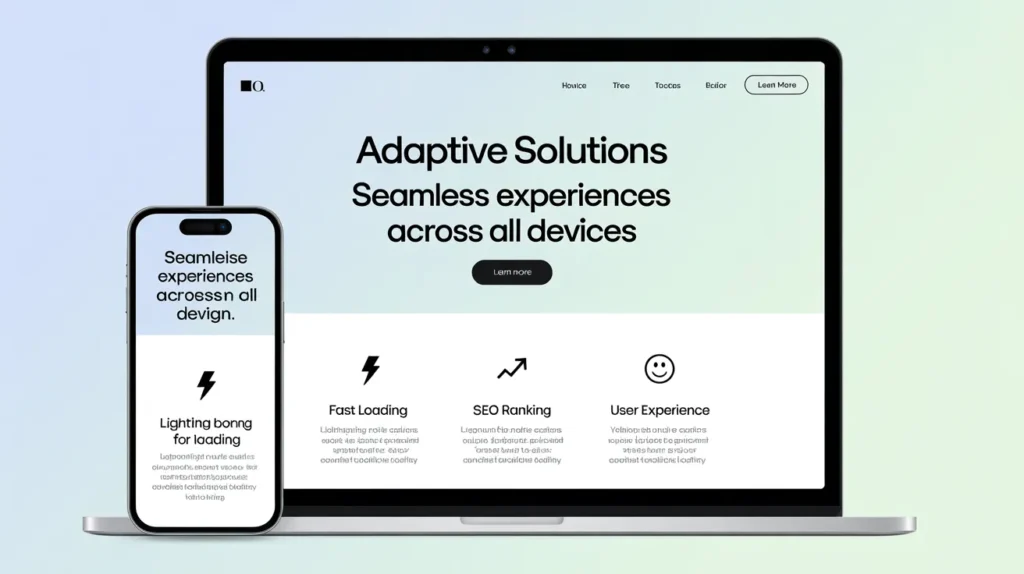
Why Your Website Must Work Perfectly on Every Screen, Especially Smartphones Picture this: A potential customer finds your website while waiting in line for coffee. They click the link… But on their phone, the text is tiny. The buttons are impossible to tap. They have to pinch and zoom just to read your contact information. In under 10 seconds, they close your site and search for a competitor. That’s a lost customer, and it’s a scenario that plays out more often than you might realize. Every potential customer who encounters a non-mobile-friendly site is a missed opportunity, and these opportunities add up. In 2025, a mobile-friendly website isn’t a “nice-to-have,” it’s a must-have for business growth. In this article, we’ll explore why mobile optimization is crucial, how it impacts your bottom line, and what steps you can take to ensure your site delivers a smooth, responsive experience on every device. 📱 Why Mobile Optimization Matters More Than Ever If you still think most people view websites on desktop computers, here’s the reality: Over 60% of website traffic now comes from mobile devices Google uses mobile-first indexing to rank websites, meaning it looks at your mobile site before your desktop version Users expect fast, seamless performance whether they’re on a phone, tablet, or desktop If your website isn’t mobile-friendly, you’re not only losing traffic, but you’re also sending potential customers straight to your competitors. 💡 What Is Mobile-Friendly Website Design? A mobile-friendly website is built to automatically adapt to any screen size and deliver an excellent user experience on mobile devices. An optimized mobile site should: Display readable text without zooming Feature easy-to-tap buttons Load quickly, even on slower mobile networks Have simple navigation Work consistently across all devices and browsers The most common way to achieve this is through responsive web design, where the site’s layout adjusts based on the device being used. 🚀 Why Mobile-Friendly Design Is Critical for Small Businesses 1️⃣ Better User Experience (UX) Your visitors are often on the go, scrolling during a commute, standing in line, or multitasking at home. They want: Quick access to information Fast-loading pages Easy navigation without frustration If your site is clunky or slow, they’ll bounce within seconds. Example: A local restaurant redesigned its site to be mobile-friendly. Customers could view the menu and book a table in just two taps. The result? A 30% increase in reservations within three months. 2️⃣ Boosts Your SEO and Google Rankings Google’s mobile-first indexing means your mobile site is the primary version Google considers for ranking. If your site isn’t mobile-optimized: Your rankings drop Your visibility decreases Your competitors gain your potential customers Mobile optimization is SEO optimization; you can’t rank high without it. 3️⃣ Increases Conversions and Sales Mobile visitors tend to act quickly. They might: Call your business Book a service Place an order Fill out a contact form If your mobile site makes these actions difficult, you’re losing sales daily. 💡 Fact: Businesses with mobile-optimized websites often see conversion rates up to 160% higher than those with poor mobile performance. 4️⃣ Builds Trust and Professionalism Your website is often the first impression someone has of your business. A clean, responsive design says: ✅ “We’re modern.” ✅ “We care about our customers.” ✅ “We’re trustworthy.” But a broken mobile site says: ❌ “We’re outdated.” ❌ “We cut corners.” ❌ “We might not care about details.” In today’s competitive market, perception matters. 🔍 How to Know If Your Site Is NOT Mobile-Friendly Your website might be hurting your business if: Text is too small on phones Buttons are too close together Pages take longer than 3 seconds to load on mobile Users need to scroll sideways or zoom to view content Images or elements overlap or break on smaller screens You can check instantly with Google’s Mobile-Friendly Test, a free tool that highlights problem areas. 🛠 Mobile Optimization Tips for 2025 To ensure your site works perfectly on mobile devices: Use responsive design or a mobile-optimized WordPress theme Keep navigation menus short and simple Use large, easy-to-click buttons Compress images for faster load times Test your site on multiple devices and screen sizes Avoid intrusive popups or animations that block content Choose mobile-friendly fonts that are easy to read 💡 Pro Tip: Don’t just test your homepage, check product pages, service pages, and your contact form to ensure they’re all mobile-ready. ❓ Mobile-Friendly Design: Q&A Q: Can I make my existing website mobile-friendly without rebuilding it? A: In many cases, yes. If you’re using WordPress, Wix, or Squarespace, you can switch to a responsive theme. However, if your site is built with outdated code, a complete redesign might be faster and deliver better results. The good news is, the process is not as daunting as it may seem, and the results are well worth the effort. Q: Do I need a separate mobile website? A: Not in 2025. The standard is one responsive website that adapts to all devices. This is better for SEO, easier to maintain, and offers a consistent brand experience. 📈 Real-World Mobile Success Stories E-Commerce Store: After switching to a mobile-first layout, checkout completion rates jumped 42%. Local Service Provider: Optimized their mobile booking form and saw a 50% increase in appointments in just two months. Non-Profit Organization: Redesigned their mobile donation page and doubled contributions during their annual campaign. 🎯 Final Thought: Mobile-First Means Business-First Your customers are mobile. If your website isn’t, you’re falling behind. A fast, responsive, and easy-to-use mobile site: Builds trust Improves SEO Converts visitors into loyal customers And the best part? You don’t need a massive budget to make it happen, just wise design choices and a focus on user experience. 💡 Action Step: Test your website today. If it’s not mobile-friendly, take steps now to fix it. Every day you wait is another day you’re losing customers. Search Search How to Write Website Copy That Turns Visitors Into Customers The Complete Guide to Choosing the Right Website Platform for Your
Discover the Profound Impact of SEO-Friendly Web Design On Business Growth in 2025
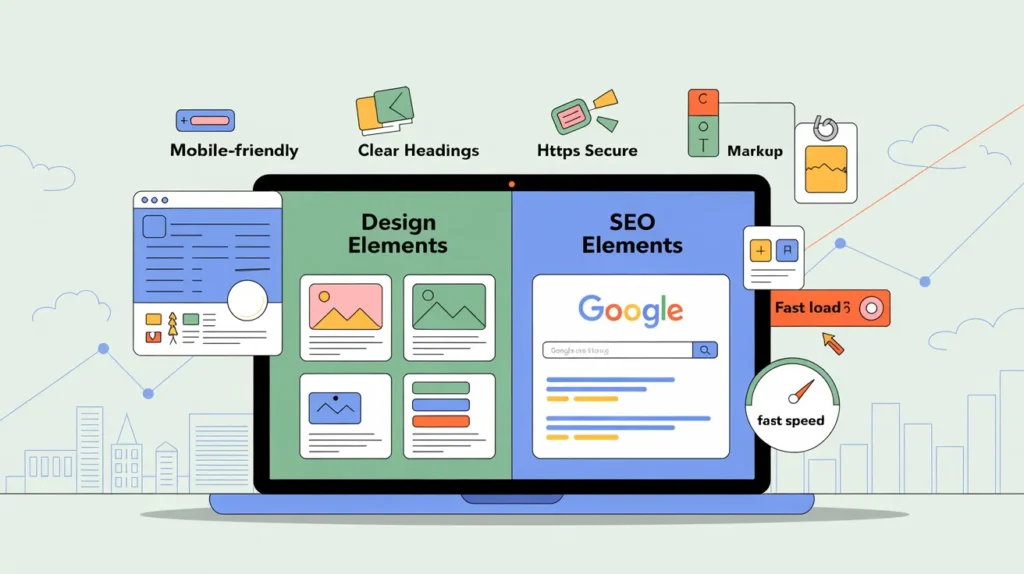
Get Found. Get Clicks. Get Customers. You can have the most beautiful website in the world, but if no one can find it on Google, it’s like opening a store in the middle of the desert; nobody sees it. That’s why in 2025, modern web design and SEO (Search Engine Optimization) must work together. An SEO-friendly website is built not just to look great but to rank higher in search engines, attract the right audience, and turn visitors into customers. In this guide, we’ll delve into the benefits of SEO-friendly web design, why it’s a game-changer for your business growth, and how you can implement it to boost visibility, leads, and sales. 💡 What Does “SEO-Friendly Web Design” Really Mean? Let’s Break It Down in Practical Terms: SEO-friendly web design is the practice of building a website that both humans and search engines can easily understand. It’s more than just adding keywords; it’s about how your site is coded, structured, and presented. Think of it like building a house: SEO is the blueprint (the structure Google reads) Design is the interior (the look and feel for visitors) Together, they create a space people want to visit, and Google wants to rank When done right, SEO-friendly design ensures: Search engines can crawl and index your content easily Visitors can find what they need quickly Your site works fast and flawlessly on any device 🔍 Top Reasons Why SEO-Friendly Web Design Grows Your Business 1️⃣ Better Rankings = More Organic Traffic Websites with clean code, optimized images, and proper heading structures (H1, H2, H3) rank higher on Google. Higher rankings mean: More visibility without paying for ads A steady stream of potential customers Long-term growth that compounds over time 💡 Fact: 75% of users never scroll past the first page of Google. If you’re not there, you’re missing sales. 2️⃣ Improved User Experience (UX) Google rewards websites that put users first. An SEO-friendly website is: Easy to navigate Clear in layout and messaging Fast-loading and mobile-friendly Secure (HTTPS protection) When visitors find your site simple to use, they stay longer, explore more, and are more likely to convert into paying customers. 3️⃣ Mobile Optimization = More Customers In 2025, mobile-first indexing is standard. Google ranks your site based on its mobile version first. If your mobile site is: Slow to load Hard to read Difficult to navigate … you’re losing leads every single day. 💡 Tip: Use a responsive design, so your website automatically adjusts to any device, desktop, tablet, or smartphone. 4️⃣ Faster Load Times = Higher Conversions Studies show: A 1-second delay can drop conversions by 7–20% Users expect websites to load in under 3 seconds Faster websites: Keep visitors engaged Lower bounce rates Increase the number of people who buy, call, or book 5️⃣ SEO-Friendly Sites: The Bedrock of Trust in Online Business. When your website is: Visually consistent Professional in tone Secure and easy to use …your audience sees your business as credible and trustworthy. And trust leads to more inquiries, more customers, and more sales. 🔑 Key Features of an SEO-Friendly Website An SEO-optimized design should include: ✅ Clear, readable URL structure (e.g., yoursite.com/services/web-design) ✅ Keyword-rich titles and headings ✅ Optimized images with descriptive alt text ✅ Fast-loading, mobile-responsive layout ✅ Internal links between relevant pages ✅ Meta descriptions and title tags for every page ✅ Secure SSL certificate (HTTPS) ✅ Schema markup for enhanced Google results 🛠️ Real-Life Success Stories Local Bakery: Upgraded to a mobile-friendly, SEO-optimized website. Within 3 months, organic traffic doubled, and online orders increased by 70%. Tech Startup: Redesigned their site with SEO-focused architecture. Sign-ups increased by 50% in just 8 weeks. These results prove that SEO-friendly web design isn’t just theory, it’s measurable business growth. ❓ Q&A: Common SEO-Friendly Design Questions Q: “My site looks good, does it still need SEO?“ A: Yes. Even a stunning website can be invisible online without SEO essentials like fast speed, keyword-rich content, mobile optimization, and proper headings. Q: “Do I need a developer for SEO-friendly design?“ A: Basic SEO (like compressing images and structuring headings) can be done in WordPress or site builders. However, for advanced optimizations like code cleanup, schema markup, and technical SEO, collaborating with a professional can significantly save time and enhance results. 🚀 Steps to Make Your Website SEO-Friendly Start with keyword research – Know what your customers are searching for. Choose a responsive design – Ensure your site looks great on any device. Optimize your content – Use keywords naturally in headings, paragraphs, and meta descriptions. Speed up your site by compressing images, enabling caching, and using reliable hosting. Secure your website – Install an SSL certificate to protect data and build trust. Link internally – Guide users (and Google) to related pages on your site. Monitor performance – Use tools like Google Analytics and Search Console. ✅ Final Thought: Design for People. Optimize for Google. In today’s competitive market, SEO-friendly web design isn’t optional; it’s essential. If you want your website to rank higher, attract more visitors, and convert them into customers, you must combine excellent design with solid SEO principles from the start. Whether you’re launching a new site or improving your existing one, remember: Design draws people in SEO helps them find you Together, they grow your business 📞 Want an SEO-friendly website that gets results? Contact us today for a free consultation and start turning your website into a lead-generating machine. Search Search How to Write Website Copy That Turns Visitors Into Customers The Complete Guide to Choosing the Right Website Platform for Your Business 5 Website Features Every Local Business Needs to Win More Customers How to Get Your Business Found on Google Maps in 30 Days The Beginner’s Guide to SEO for Canadian Businesses How can we help you? Contact us today for more information Contact Us Share on social Facebook LinkedIn X WhatsApp Pinterest Pocket
WordPress vs. Custom Web Design: Which Is Right for Your Business?
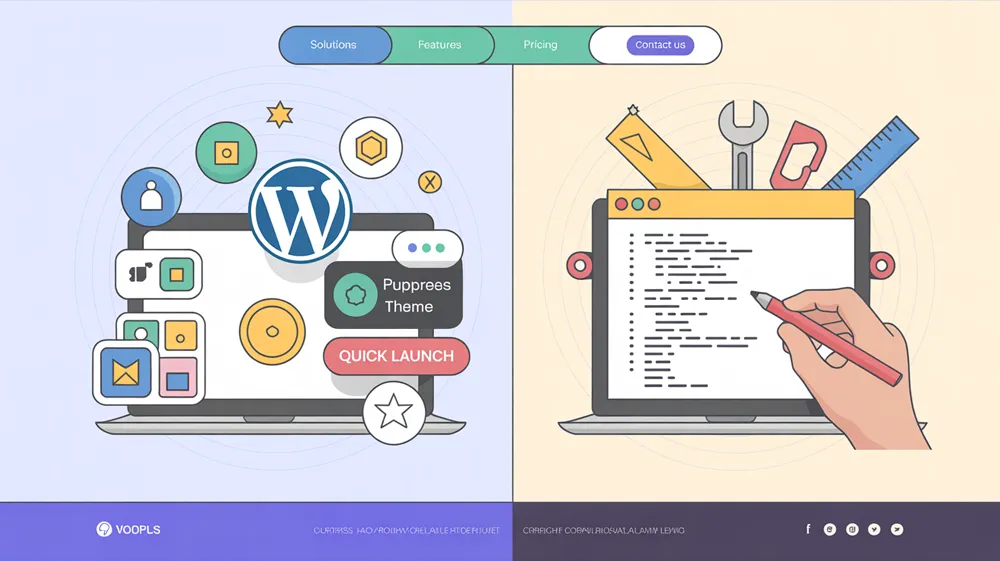
If you’re building or revamping your business website, you’ve probably wondered: Should I go with WordPress or invest in custom web design? The right choice depends on your budget, business goals, and how much control you want over design and features. In this guide, we’ll break down the pros and cons of each approach to help you choose the best option for your business. 🔍 What Is WordPress? WordPress is an open-source content management system (CMS) used by over 40% of websites on the internet. It allows you to build a professional site using pre-made themes and plugins—no coding required. Why Choose WordPress? Free to use (open-source) Easy to install and set up Thousands of themes and plugins SEO-friendly structure Mobile responsive options Built-in blogging capabilities Ideal for small to medium-sized businesses 🛠️ What Is Custom Web Design? Custom web design involves building a site from scratch, fully tailored to your brand’s identity, goals, and user needs. This process usually requires a web developer or a professional agency. Why Choose Custom Web Design? 100% unique look and layout Custom-built features and integrations Complete control over performance and security Scalable for future growth Enhanced user experience Stronger branding and market differentiation ⚖️ Key Differences: WordPress vs. Custom Web Design 💰 Cost WordPress is generally more affordable. You can launch a site for as little as $1,500 with basic features. Custom design is more expensive. Expect to pay anywhere from $5,000 to $50,000+, depending on complexity. ⚙️ Flexibility WordPress relies on pre-built themes and plugins, which may limit design or function. Custom design offers complete freedom—every aspect of the website is tailored to your needs. 🛠️ Maintenance WordPress makes updates easy through a simple dashboard. No technical skills required. Custom websites often require a developer for updates, changes, or bug fixes. ⏱️ Time to Launch WordPress sites can go live in a few days to a few weeks. Custom sites may take 1 to 3 months, depending on scope and development. 📈 Scalability WordPress works well for small to mid-sized businesses. Custom websites are better suited for growing or complex businesses that need advanced systems. 🎨 Design Control WordPress themes offer decent design but may look generic unless customized. Custom design gives you complete creative control and a truly unique brand presence. 🚀 Performance and SEO WordPress can be fast and SEO-optimized using the right plugins (e.g., WP Rocket, Rank Math). Custom websites are leaner and can be highly optimized for performance and search engine rankings from the ground up. ✅ When WordPress Is the Right Choice Use WordPress if you: Need a simple website up and running quickly Have a limited budget Want to manage content on your own Plan to use standard features like blogs, contact forms, or image galleries Prefer a DIY approach with less dependency on developers Want a SEO-friendly and mobile-responsive site without coding 💡 Tip: Pair WordPress with a modern theme like Astra or Hello Elementor, and add essential plugins for speed, SEO, and security. 🚀 When Custom Web Design Is Worth It Go custom if you: Require complex features or third-party integrations Want a unique design that reflects your brand identity Are scaling a fast-growing business Need advanced security, speed, or multilingual functionality Plan to invest in a premium user experience Want to stand out in a competitive industry Custom websites are ideal for: SaaS platforms E-commerce stores with custom checkout processes Large corporations or franchises Non-profits with specialized workflows 🔐 Ongoing Maintenance WordPress: Most updates are simple and can be handled in-house. Custom websites: You may need ongoing support from a developer or agency, especially for technical issues or new features. 🎯 SEO and Performance Both options can be SEO-optimized, but with key differences: WordPress: Great with SEO plugins like Rank Math or Yoast. Speed depends on hosting and plugin usage. Custom: Leaner code, faster load times, and more control over on-page SEO elements like schema markup and Core Web Vitals. If search engine rankings are a top priority, a custom-built site gives you more Flexibility and control. 📊 Summary: Which Option Is Best for Your Business? Choose WordPress if: You’re launching quickly and affordably. You want to manage the site yourself. You’re a small to medium-sized business. You’re OK with using templates or plugins. You need a blog or a basic e-commerce site. Choose Custom Web Design if: You have a larger budget and bigger goals. You need advanced or unique features. You want a premium, branded user experience. You’re building a scalable platform or web app. You need complete control over design, speed, and security. 🧠 Final Thoughts: Start Smart, Scale Strategically There’s no one-size-fits-all solution when it comes to building your online presence. WordPress is excellent for startups and small businesses looking to launch quickly, cost-effectively, and professionally. Custom web design is perfect for growing brands that need a tailor-made platform to deliver a standout digital experience. 👣 Still unsure? Many businesses start with WordPress, then switch to a custom design as they grow and expand. 💬 Ready to Build the Right Website? If you need help deciding what’s best for your business, we offer free consultations to walk you through your options. 📞 Let’s chat and create a plan that aligns with your goals and budget. Search Search How to Write Website Copy That Turns Visitors Into Customers The Complete Guide to Choosing the Right Website Platform for Your Business 5 Website Features Every Local Business Needs to Win More Customers How to Get Your Business Found on Google Maps in 30 Days The Beginner’s Guide to SEO for Canadian Businesses How can we help you? Contact us today for more information Contact Us Share on social Facebook LinkedIn X WhatsApp Pinterest Pocket
How to Optimize for Website ChatGPT, Perplexity & Other Answer Engines
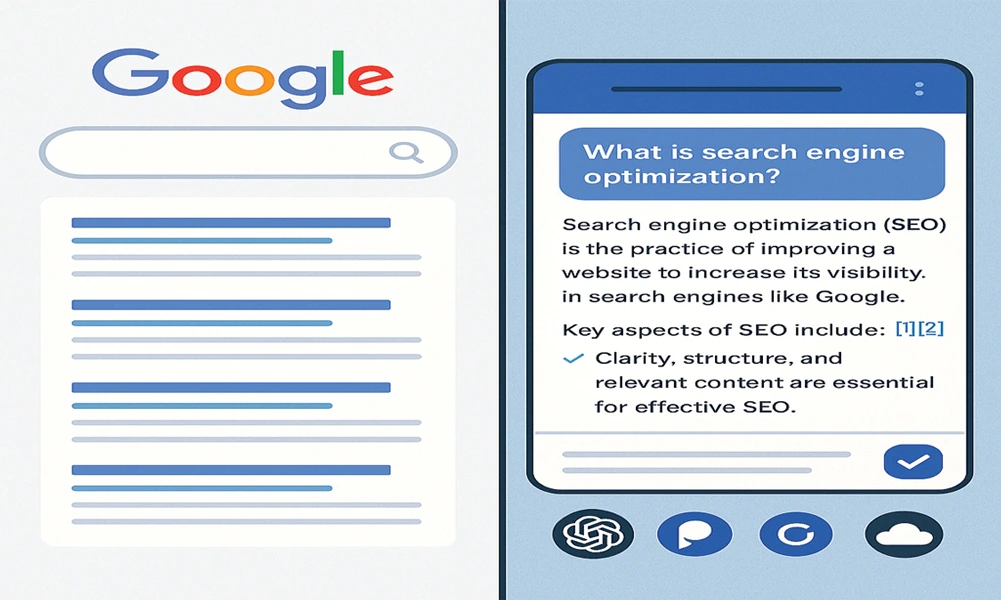
Actionable Tips to Get Your Website Found in AI-Powered Search It’s no longer just about Google. Today’s smart users are asking ChatGPT, Perplexity, and other AI-powered engines to search for search results. If your website isn’t showing up in these new search engine results, you’re missing out on a significant amount of traffic. But here’s the good news: optimizing for AI answers isn’t complicated, if you know what to focus on. Let’s break it down. 👇 What Are “Answer Engines”? Answer engines like ChatGPT, Perplexity, and Claude differ from traditional search engines in several ways. Instead of providing users with 10 blue links, they generate complete answers, often based on a combination of trusted sources, structured content, and citations. That means: • They pull from well-structured, explicit content • They favor authority, clarity, and helpfulness • Your site can be cited and featured, if it’s optimized right ✅ 1. Create Clear, Direct, Helpful Content Think like a machine learning model. • Break complex topics into simple, scannable sections • Use clear headers (H2s and H3s) • Answer specific questions: What is X? How does X work? Why choose X? Example: Instead of saying: “We offer modern web solutions tailored for every business.” Say: “We build websites that load fast, rank well, and convert visitors into customers.” ✅ 2. Use FAQ-Style Questions AI tools love FAQs. They naturally surface in answers and help your content get pulled into ChatGPT’s responses. Do this: • Add a mini FAQ at the bottom of the service pages • Write blog titles that sound like questions • Include answers within 2–3 short sentences Pro tip: Add “How,” “What,” and “Why” questions throughout your content. ✅ 3. Be Specific, Not Generic Perplexity and similar engines reward detailed and local content. Don’t just say you build websites—say you build e-commerce websites for small businesses in Vancouver. The more context you provide, the more likely you are to be cited as a source. ✅ 4. Add Author Names & Business Details Answer engines value transparency and trust. Add: • An author byline or a business owner’s name • Location (city, province) • Business bio or “About” section with expertise This boosts your credibility, especially for YMYL (Your Money, Your Life) topics. ✅ 5. Focus on Clarity Over Keywords While traditional SEO is keyword-heavy, AI engines prefer clarity and helpfulness over keyword stuffing. Use keywords naturally, but make sure your content: • Solves a real problem • Answers a question directly • It is easy to understand at a 9th-grade reading level ✅ 6. Keep Your Content Fresh Outdated info = lower trust. Update your pages at least every 3–6 months. Refresh your stats, add recent projects, and ensure you speak the language of today’s audience. ✅ 7. Add Internal Links and Sources AI engines trace through your site’s content. Add internal links to your: • Service pages • Blog posts • About and contact info Suppose you mention stats or tools, link to the source. This helps establish authority and gets your site mentioned in answers. 💡 Final Thoughts Search is changing fast. But if your content is helpful, clear, and well-structured, not only will Google love it, but ChatGPT and Perplexity will, too. 📞 Want Your Website to Rank on AI-Powered Searches? We build websites that are ready for the future of search. 💬 Let’s talk about optimizing yours today. 📨 Book a free consultation Search Search How to Write Website Copy That Turns Visitors Into Customers The Complete Guide to Choosing the Right Website Platform for Your Business 5 Website Features Every Local Business Needs to Win More Customers How to Get Your Business Found on Google Maps in 30 Days The Beginner’s Guide to SEO for Canadian Businesses How can we help you? Contact us today for more information Contact Us Share on social Facebook LinkedIn X WhatsApp Pinterest Pocket